The evolution of gambling A journey through time and culture
Origins of Gambling
The practice of gambling dates back to ancient civilizations, with evidence suggesting its existence as early as 3000 BC. Archaeological findings reveal that the Chinese were among the first to engage in games of chance, using rudimentary forms of dice. Similarly, ancient Egyptians participated in betting games, which were often linked to their cultural rituals and societal norms. These early forms of gambling were typically community-centered, reflecting the social dynamics of their times. As the landscape of gaming began to change, many turned to platforms like maestro-galaxsys.in for more modern experiences.
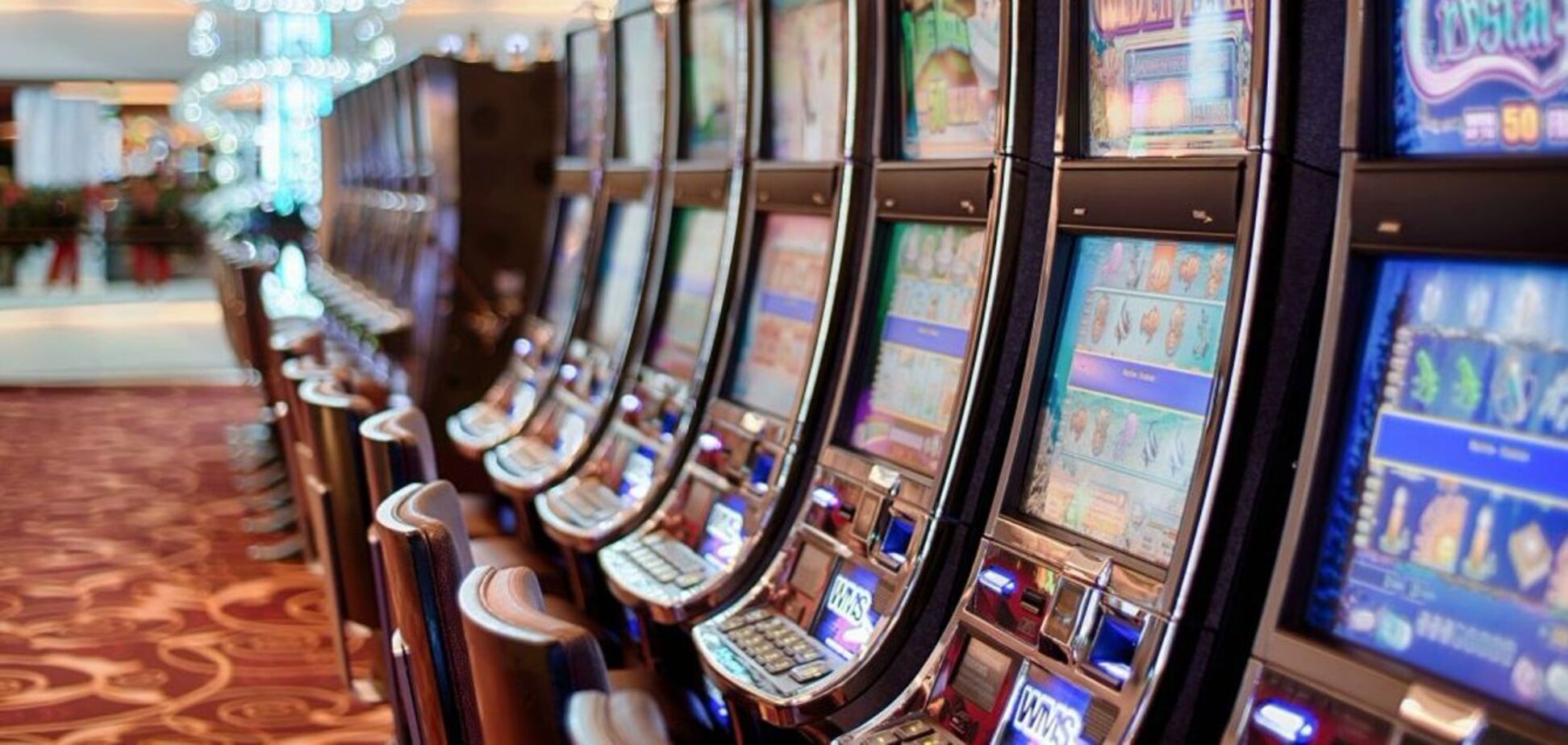
As civilizations evolved, so did the methods and motivations behind gambling. The Greeks and Romans took the concept further, introducing structured games and betting practices that became intertwined with their entertainment culture. The establishment of public games and events allowed for larger crowds to gather, fostering a culture where gambling was both a pastime and a significant social event.
Gambling in the Middle Ages
During the Middle Ages, gambling saw a transformation influenced by the religious and moral attitudes of the time. While some saw it as a sin, others recognized it as an opportunity for income and entertainment. The rise of card games in Europe marked a significant evolution in gambling practices, with games such as Tarot becoming widely popular. This period also saw the emergence of betting on competitive events, such as jousting tournaments, which further integrated gambling into social gatherings.
The establishment of gambling houses in major cities provided structured venues for those seeking to engage in betting. Although there were attempts to regulate these establishments, the popularity of gambling continued to grow, reflecting a shift in societal views. As the economy evolved, so did the acceptance of gambling as a legitimate form of entertainment, leading to its deeper roots in European culture.
The Birth of Modern Gambling
The 18th and 19th centuries ushered in the modern era of gambling, characterized by the development of casinos and betting on horse racing. This period saw the establishment of the first official casinos, particularly in Italy and France, which were designed to cater to the growing middle class seeking leisure activities. The introduction of roulette in casinos became a hallmark of this era, attracting many enthusiasts eager to try their luck.
As gambling gained popularity, it also became more organized. The introduction of laws and regulations aimed at controlling and managing gambling activities led to a balance between enjoyment and responsibility. This period marked a significant evolution, with gambling transitioning from informal practices to a regulated industry, ensuring fair play and safeguarding the interests of participants.
The Digital Revolution and Online Gambling
The late 20th century brought about a technological revolution that dramatically transformed the gambling landscape. The advent of the internet opened new avenues for gambling, allowing players to engage in their favorite games from the comfort of their homes. Online casinos began to emerge, offering a vast array of games that replicated the experience of physical casinos.
Mobile technology further revolutionized the gambling experience, enabling players to access games on smartphones and tablets. This shift not only broadened the audience but also changed how gambling was perceived, making it more accessible and engaging for a global population. The rise of online gambling raised new discussions around regulation, responsible gaming, and the impact of technology on traditional gambling practices.

Exploring Gambling Culture Today
Today’s gambling culture is a rich tapestry woven from diverse influences across the globe. From Las Vegas’s extravagant casinos to the traditional betting houses in the UK, each region has its unique take on gambling. This diversity reflects not only the history of gambling but also the social and cultural attitudes towards it, emphasizing its role as a form of entertainment and a source of income.
As we continue to navigate through changing attitudes and regulations, gambling remains a significant aspect of modern life. The continuing evolution shows a blend of tradition and innovation, with new games, technologies, and platforms constantly reshaping the landscape. Understanding this dynamic journey provides valuable insights into both the history and future of gambling.